Complete Heavy Equipment Maintenance Guide for Longevity
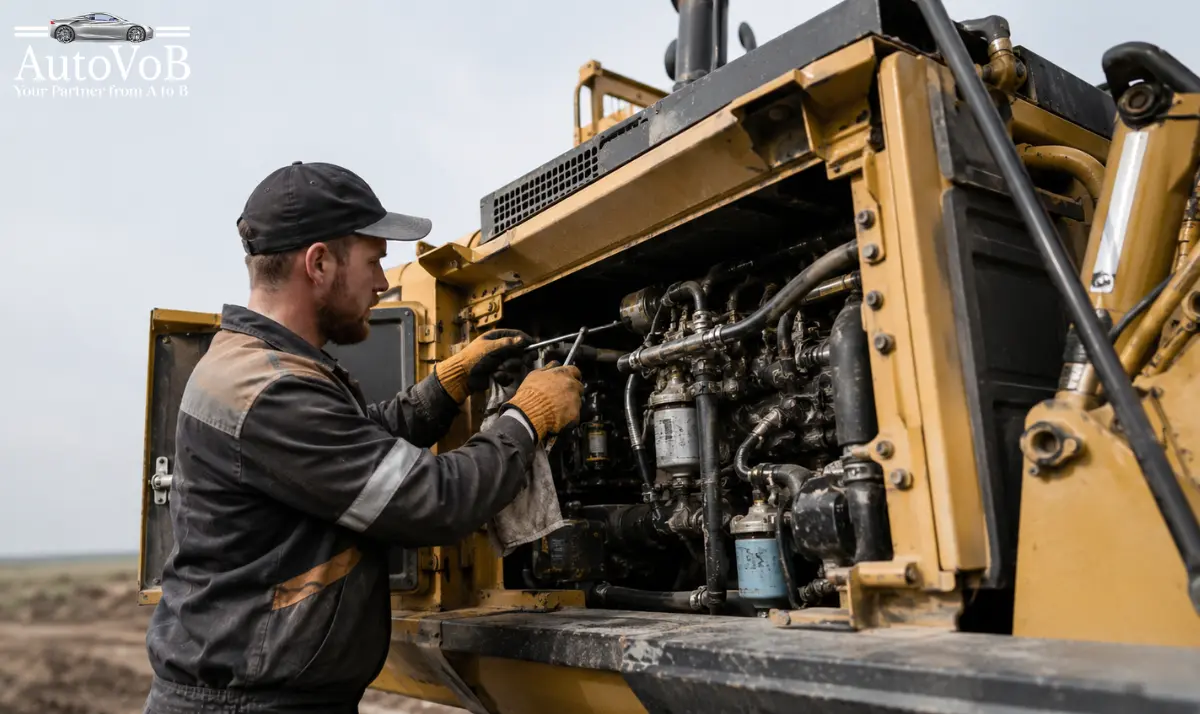
Heavy equipment is expensive to buy, run, and repair. Whether you own a single machine or manage a fleet, maintenance is what decides whether your equipment becomes an asset or a liability. Poor upkeep leads to downtime, safety risks, and expensive breakdowns. Good maintenance keeps machines reliable, efficient, and easier to resell later.
This guide breaks down how to approach heavy equipment maintenance in a way that actually works on the ground.
Why Maintenance Is Non-Negotiable
Every hour a machine sits idle due to a fault costs money. But the real damage often happens quietly. Worn-out components reduce fuel efficiency. Small leaks turn into major failures. Operators lose confidence in unreliable equipment.
Routine maintenance protects you from all of this. It also improves resale value, which matters a lot if you deal in used heavy equipments. Buyers look closely at service history, not just the condition they can see.
Daily Inspections That Make a Difference
Daily checks are simple, but they catch most problems early. Skipping them is one of the most common mistakes.
Start with a walk-around inspection:
- Look for visible damage, cracks, or loose bolts
- Check for oil, coolant, or hydraulic leaks
- Inspect tires or tracks for wear and proper tension
- Ensure lights, alarms, and safety features work
Then move to fluid levels:
- Engine oil
- Hydraulic fluid
- Coolant
- Fuel levels
Operators should also listen to the machine. Unusual noises, vibrations, or slow response are early warning signs.
A five-minute inspection can prevent a five-day repair.
Scheduled Maintenance Intervals
Manufacturers provide service intervals for a reason. These are based on testing, not guesswork.
Typical intervals include:
- Every 250 hours: oil and filter changes
- Every 500 hours: hydraulic system checks
- Every 1000 hours: major component inspection
Sticking to these intervals keeps components working within safe limits. Ignoring them shortens machine life significantly.
Keep a logbook or digital record of every service. This helps track patterns and prevents missed maintenance.
Engine Care and Performance
The engine is the heart of any heavy machine. Poor engine maintenance leads to reduced power, higher fuel use, and eventual failure.
Key practices:
- Use the right grade of engine oil
- Replace filters regularly
- Keep air intake systems clean
- Avoid running the engine under excessive load for long periods
Fuel quality also matters. Contaminated fuel damages injectors and reduces efficiency. Always store fuel properly and use clean containers.
Hydraulic System Maintenance
Hydraulics drive most heavy equipment functions. When they fail, the machine becomes useless.
Common issues come from:
- Dirty hydraulic fluid
- Worn seals
- Air in the system
To prevent this:
- Change hydraulic fluid at recommended intervals
- Replace filters on time
- Inspect hoses and connections for leaks or cracks
Hydraulic failures are expensive, but most are avoidable with consistent checks.
Undercarriage and Tires
For tracked machines, the undercarriage takes the most abuse. It can account for a large portion of maintenance costs.
Maintenance tips:
- Clean debris after every use
- Check track tension regularly
- Inspect rollers and idlers for wear
For wheeled equipment:
- Maintain correct tire pressure
- Check for cuts, punctures, or uneven wear
- Rotate tires if needed
Ignoring the undercarriage leads to faster wear and higher fuel consumption.
Electrical System Checks
Electrical issues are often overlooked until something stops working.
Key areas to monitor:
- Battery condition and connections
- Wiring for damage or corrosion
- Lights, sensors, and control panels
Loose connections or weak batteries can cause unexpected shutdowns. Fixing them early is quick and inexpensive.
Proper Lubrication Practices
Lubrication reduces friction and prevents wear. It is one of the simplest yet most ignored aspects of maintenance.
Focus on:
- Greasing moving parts at regular intervals
- Using the correct type of grease
- Not over-lubricating, which can attract dirt
A well-lubricated machine runs smoother and lasts longer.
Storage and Environmental Protection
Where and how you store equipment affects its lifespan.
Best practices:
- Store machines in covered areas when possible
- Protect them from rain, dust, and extreme heat
- Disconnect batteries if equipment will sit unused for long periods
If indoor storage is not available, use covers and ensure proper drainage around the machine.
Operator Responsibility and Training
Even the best maintenance plan fails without trained operators. Poor handling causes more damage than wear and tear.
Operators should:
- Follow proper startup and shutdown procedures
- Avoid overloading the machine
- Report issues immediately
Training operators is not an expense. It is a cost-saving measure.
Using Technology for Maintenance Tracking
Modern equipment often includes telematics systems. These systems track usage, performance, and maintenance needs.
Benefits include:
- Real-time alerts for issues
- Accurate service scheduling
- Better fuel and performance monitoring
Even simple digital logs can improve maintenance discipline.
Spare Parts and Replacement Strategy
Using low-quality parts may save money initially, but it often leads to bigger problems later.
Always:
- Use genuine or high-quality replacement parts
- Replace worn components before they fail
- Keep critical spares in stock to reduce downtime
A planned replacement strategy prevents sudden breakdowns.
Maintenance and Resale Value
If you plan to sell your equipment later, maintenance becomes even more important.
Buyers look for:
- Service records
- Condition of key components
- Signs of consistent care
Machines with proper maintenance history sell faster and at better prices, especially in the market for used heavy equipments.
Also Read: Bike Maintenance Guide. Chains, E-Bikes, MTB, Dirt & Basics
Final Thoughts
Maintenance is not about fixing problems. It is about preventing them. The difference between a reliable machine and a constant headache often comes down to consistency.
Focus on daily checks, follow service intervals, train operators, and keep records. These simple habits reduce costs, improve performance, and extend the life of your equipment.
FAQs
1. How often should heavy equipment be serviced?
Heavy equipment should be serviced based on operating hours rather than time alone. Most machines require basic servicing every 250 hours, with deeper inspections at 500 or 1000 hours. Following manufacturer schedules helps prevent unexpected failures and keeps performance stable.
2. What is the most common cause of equipment failure?
The most common cause is poor maintenance, especially ignoring fluid changes and inspections. Contaminated oil, worn filters, and unnoticed leaks gradually damage critical components, leading to breakdowns that could have been avoided with regular checks.
3. Is it worth maintaining older machines?
Yes, maintaining older machines is often cost-effective if done properly. Regular servicing, timely part replacement, and proper usage can extend their lifespan significantly. Well-maintained older equipment can still perform reliably and retain decent resale value.
4. How can I reduce maintenance costs?
You can reduce costs by sticking to preventive maintenance, training operators, and using quality parts. Catching small issues early avoids expensive repairs. Keeping detailed service records also helps identify recurring problems and manage expenses better.
5. Does maintenance affect resale value?
Maintenance plays a major role in resale value. Buyers prefer machines with clear service history and consistent care. Equipment that shows proper upkeep often sells faster and at a higher price compared to poorly maintained alternatives.
Keep reading AutoVoB blogs for more valuable automotive insights.
AutoVoB connects buyers and sellers of vehicles across the world.