Car Number Plates in the UAE: Everything You Need to Know
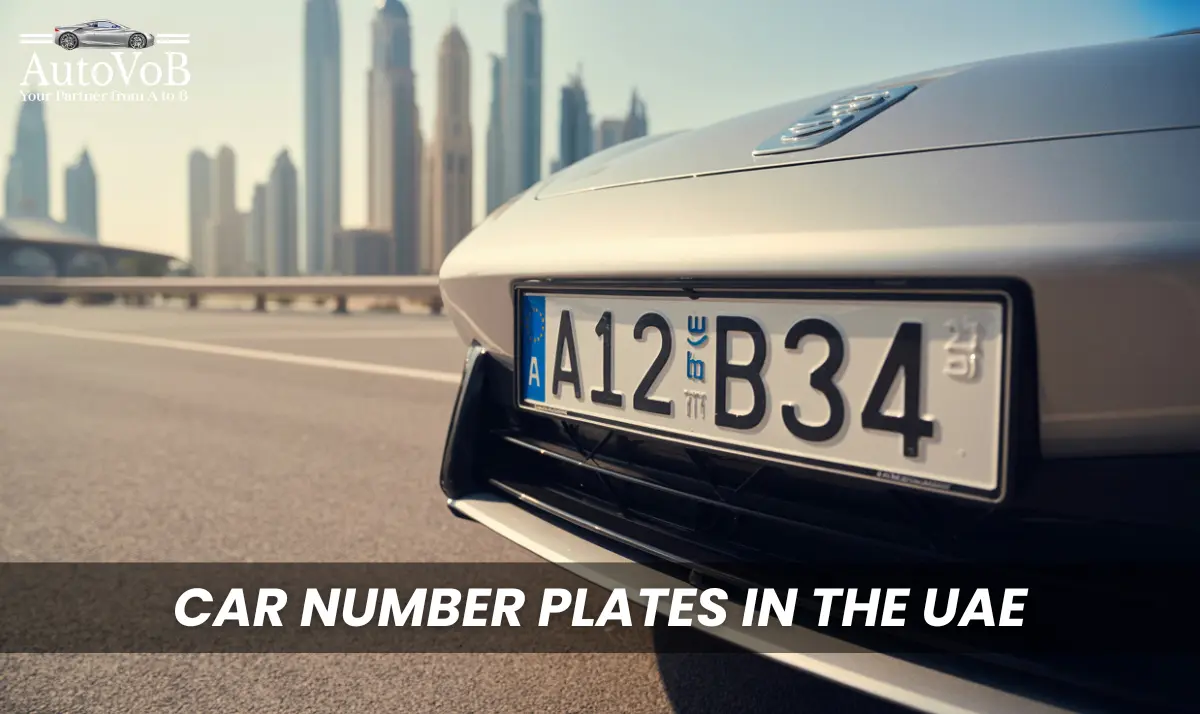
When you talk about car number plates in the UAE, you’re diving into a world where vehicles get more than just an identity tag. In the Emirates, plates tell a whole story: who owns the vehicle, where it’s from, what it’s used for, and sometimes, even a peek at the owner’s status or personality. Let’s break it down and see what makes these license plates such a hot topic for both drivers and auto enthusiasts.
How UAE Number Plates Are Structured
Every emirate in the UAE manages its own vehicle registration, which means Dubai, Abu Dhabi, Sharjah, and the rest each have a unique styling and numbering system. Still, the fundamentals follow a pattern. Most plates combine letters and up to five digits, with each emirate using different letters, font styles, and emblems. For example, Dubai plates may use A, B, or even AA, while Abu Dhabi can mix numbers with a label for the year. It’s a system designed for quick identification and a touch of local flavour.
What this really means is you can often figure out where a car is registered just by glancing at its number plate. Each plate displays not only the vehicle code but also the emirate’s logo, and in some cases, the UAE national flag.
Types and Colors: Spotting What’s What
Here’s the thing: the color of a car number plate in the UAE isn’t just about looks. It actually signals the purpose of the vehicle. Here’s a breakdown:
- White: Private vehicles. The everyday car you see on the road almost always sports a white plate.
- Black: Commercial vehicles including delivery vans, trucks, and company fleets.
- Yellow: Rented vehicles—these are owned by rental agencies and given to customers for short-term use.
- Red: Temporary or test vehicles, often during registration or while being transferred.
- Blue: Diplomatic or government vehicles—these are rare and usually carry the UAE flag or official emblems.
- Green: In some emirates, especially Sharjah, these can indicate taxis or commercial passenger vehicles.
- Golden: Reserved for royalty or VIPs; these are almost impossible to get unless you move in serious circles.
This color coding isn’t just bureaucratic, it helps the police and road users instantly identify what kind of car is on the road. If someone’s curious why a car is weaving through traffic, that plate color gives you a clue before you even see the driver.
The Value of Special Plates
Now for a fun bit: in the UAE, car number plates can be symbols of wealth, status, or just plain luck. Some people will pay tens of millions of dirhams for plates with fewer digits or unique combinations, like “1” or “10”. These plates regularly go up for auction, and the bidding can be wild. If you spot a single or double-digit plate, you’re probably looking at someone of real influence or a dedicated collector.
Registration Process: What Owners Need To Know
Registering your car and getting a number plate is mandatory, but the UAE has made the process largely hassle-free. Here’s how it goes:
- Get your paperwork in order. You need your Emirates ID, valid insurance, vehicle ownership certificate, and a passing inspection report for used vehicles.
- For new cars, most of the document prep is already handled by the dealership. For used cars, a technical inspection at an authorized center is a must.
- Pay the registration fee. Standard plates usually range from AED 100 to 500, depending on the emirate and whether you want special digits. If you’re transferring a plate or want a personalized one, expect to pay more—sometimes a lot more.
- You get the plate at the center or, in many cases now, delivered right to your door thanks to online government services that often process everything in less than an hour if your documents check out.
For collectors, celebrities, or anyone after a ‘special’ plate, there’s an auction system managed by local traffic authorities, especially in Dubai and Abu Dhabi. Bidding includes a hefty deposit and the process can be extremely competitive.
Plate Design: What Sets Emirates Apart?
Design details are important here. Every plate uses local fonts, boasts the emirate’s name or initials, and some even display the UAE flag for extra authenticity. Some emirates add a unique twist. For example, Ras Al Khaimah plates often have a stylized fort image, while others display different logos or security features to deter counterfeiting.
Formats vary, but the key takeaway is the system’s adaptability. Whether it’s multilingual text, symbols for classic cars or taxis, or special colored backgrounds for diplomatic vehicles, the plates reflect the Emirates’ diversity and attention to detail.
Plate Renewal and Replacement
Renewal is straightforward. All you need is a valid Emirates ID, up-to-date insurance, and no pending traffic fines. Most renewals now happen online, saving time and paperwork. If a plate is lost, stolen, or damaged, replacement requires a police report and a quick visit to the traffic department (or an online application). Expect processing to take anywhere from a few minutes to a couple of days, depending on the emirate and how busy the offices are.
Quick Tips for Owners and Buyers
- Never drive without a valid car number plate in the UAE, even for short distances—it’s a strict offense.
- If you’re buying a used car, make sure the plate isn’t red (temporary), or check that transfer procedures are complete.
- Want a special number? Watch for RTA or local police auctions, but be ready for stiff competition and big bids.
Also Read: Car Accident History in UAE: What Buyers Must Know
Final Thoughts
Car number plates in the UAE are more than just ID markers. They’re a piece of local culture, a signal of status, and a system built with both practicality and individuality in mind. Whether it’s a basic white plate on a sedan or a million-dirham VIP number, every plate has a story—and in the Emirates, those stories are worth paying attention to.