All About German Cars: History, Car Brands and More
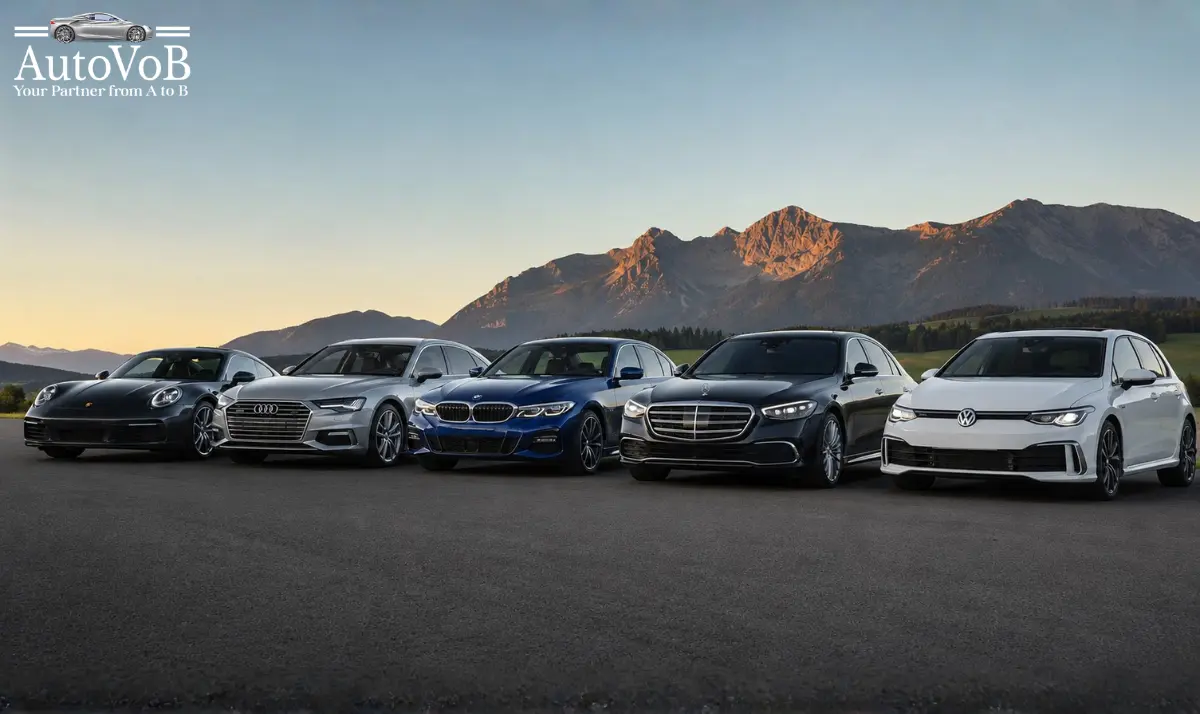
German cars hold a distinct position in the global automotive industry. They are known for precision engineering, performance, and a design philosophy that balances function with refinement. Whether it is a luxury sedan, a performance coupe, or a practical family car, german cars consistently set benchmarks.
This guide breaks down their history, the most influential german car brands, and why they remain so popular, especially in markets like the UAE.
The History of German Cars
The story of german cars begins in the late 19th century. In 1886, Karl Benz introduced what is widely considered the first practical automobile. Around the same time, Gottlieb Daimler and Wilhelm Maybach were working on high-speed engines.
Germany quickly became the center of automotive innovation. Early developments focused on internal combustion engines, reliability, and mechanical efficiency. By the early 20th century, brands like Mercedes-Benz had already begun shaping the luxury segment.
Post World War II, German manufacturers rebuilt their industry with a focus on quality and export markets. This period saw the rise of Volkswagen with the Beetle, one of the most iconic cars ever made.
Today, Germany remains one of the leading automotive hubs in the world, known for engineering discipline and continuous innovation.
What Makes German Cars Different
German cars stand out because of a few consistent principles:
Engineering-first approach
German manufacturers prioritize engineering over marketing. Performance, handling, and structural integrity are often at the core of design decisions.
Precision and build quality
Tight tolerances, high-quality materials, and attention to detail result in vehicles that feel solid and refined.
Driving experience
From steering feedback to suspension tuning, german cars are designed for drivers who value control and responsiveness.
Innovation
Technologies like advanced driver assistance systems, turbocharged engines, and dual-clutch transmissions were either pioneered or perfected by german car brands.
Major German Car Brands
BMW
BMW focuses on driving dynamics. Known for its “Ultimate Driving Machine” philosophy, it offers sporty sedans, SUVs, and performance-oriented M models. The brand blends luxury with engaging performance.
Mercedes-Benz
Mercedes-Benz is synonymous with luxury and comfort. It leads in innovation, especially in safety and in-car technology. From S-Class sedans to G-Class SUVs, it covers a wide spectrum.
Audi
Audi combines modern design with advanced technology. Its Quattro all-wheel-drive system and digital interiors have helped it stand out among german car brands.
Volkswagen
Volkswagen focuses on practicality and affordability while maintaining German engineering standards. It produces reliable daily drivers and has a strong global presence.
Porsche
Porsche represents performance at its peak. Known for models like the 911, it blends sports car performance with everyday usability.
Why German Cars Are Popular Worldwide
German cars have built their reputation over decades. Buyers trust them for:
- Strong resale value
- Advanced safety features
- Superior driving comfort
- Long-term durability when properly maintained
They are often seen as a status symbol, but their appeal goes deeper than branding. The engineering quality justifies the premium for many buyers.
Top German Car Brands in UAE
The UAE automotive market is unique. Buyers demand performance, luxury, and reliability in extreme weather conditions. German car brands fit this requirement well.
Here are the most popular ones in the UAE:
Mercedes-Benz in UAE
Mercedes dominates the luxury segment. Models like the E-Class, S-Class, and GLE are widely preferred for their comfort and prestige. The G-Class, in particular, is highly popular.
BMW in UAE
BMW appeals to drivers who want a sporty feel. The 3 Series and 5 Series are common choices, along with SUVs like the X5.
Audi in UAE
Audi has gained traction with its sleek designs and tech-heavy interiors. Models like the A6 and Q7 are popular among families and professionals.
Volkswagen in UAE
Volkswagen offers more affordable entry points into german cars. Models like the Tiguan and Passat are practical choices.
Porsche in UAE
Porsche caters to performance enthusiasts. The Cayenne and Macan SUVs are especially popular due to their balance of power and usability.
Challenges of Owning German Cars
German cars are not perfect. There are some realities buyers should consider:
Maintenance costs
Parts and servicing can be expensive compared to Japanese or Korean cars.
Complex engineering
Advanced systems mean repairs often require specialized technicians.
Depreciation in some segments
Luxury models can lose value quickly if not maintained properly.
That said, many owners believe the driving experience and build quality make up for these downsides.
Are German Cars Worth It
The answer depends on what you value. If you want a car that feels refined, performs well, and offers advanced technology, german cars are hard to beat.
However, they demand proper maintenance. Skipping servicing or using low-quality parts can quickly turn ownership into a costly experience.
The Future of German Cars
German manufacturers are actively shifting toward electric mobility. Brands like BMW, Audi, and Mercedes-Benz are investing heavily in EV technology.
At the same time, they continue to refine internal combustion engines for markets where EV adoption is still growing.
The focus remains the same: engineering excellence, whether powered by fuel or electricity.
German cars continue to define what modern automobiles should feel like. They are not just vehicles, they reflect decades of engineering discipline and a clear vision of performance and precision.