Abandoned Cars in Dubai: Why They Matter and Where They End Up
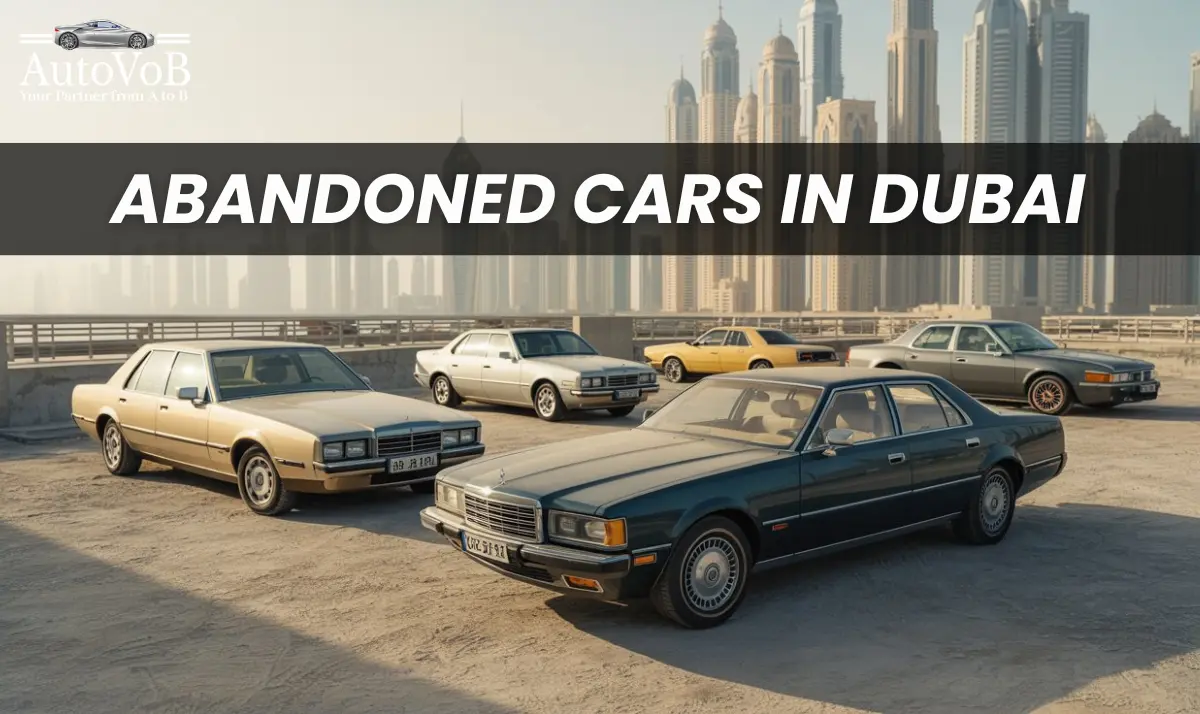
Walk through certain parking lots in Dubai or along quieter roadsides, and you might notice something surprising: dusty supercars, luxury SUVs, and sedans sitting untouched for months. These are not just rare sightings. Abandoned cars in Dubai have become a phenomenon that fascinates residents and visitors alike. While it may look odd to see a Lamborghini or Range Rover gathering dust, there are real reasons behind this issue, and understanding them reveals a lot about the city’s unique lifestyle and economy.
Why Do Cars Get Abandoned in Dubai?
Let’s break it down. Dubai is a city where cars are more than just transportation. They’re a statement of success and lifestyle. With easy access to financing, many residents purchase high-end vehicles, often stretching their budgets. But when circumstances change, those cars can quickly become financial burdens.
Here are the most common reasons behind abandoned vehicles in Dubai:
- Financial troubles: Expat residents sometimes lose jobs or face debt. Since unpaid loans can lead to legal trouble, walking away from the car feels like the only option.
- High maintenance costs: Luxury vehicles are not cheap to maintain. Once warranties expire, some owners simply can’t afford the repair bills.
- Relocation: When expats leave the UAE suddenly, they may abandon vehicles rather than deal with paperwork and resale hassles.
- Market saturation: With so many cars available for resale, owners of older or less desirable models may find it easier to leave them rather than accept a low resale value.
What this really means is that abandoned cars in Dubai are not always about carelessness. They often reflect financial or personal circumstances that force owners to make tough choices.
The Scale of the Problem
Every year, thousands of abandoned vehicles Dubai authorities deal with are collected from streets and parking areas. Reports suggest that anywhere from 2,000 to 3,000 cars are left behind annually, ranging from economy models to multi-million-dirham hypercars. This has made global headlines, with viral photos of Ferraris and Bentleys coated in desert dust sparking curiosity about how such expensive assets could be left to rot.
What Happens to Abandoned Cars in Dubai?
The city doesn’t let cars sit indefinitely. Authorities like Dubai Police and the Roads and Transport Authority (RTA) monitor abandoned vehicles and issue warnings. If the car remains unclaimed after a grace period, it is impounded.
Here’s what usually happens next:
- Impoundment: The vehicle is towed to a government impound lot.
- Owner notification: Authorities attempt to contact the owner.
- Auction process: If the car remains unclaimed, it goes up for public auction.
- Resale or recycling: Buyers can purchase these cars, sometimes at much lower prices than market value.
For car enthusiasts and bargain hunters, this process can be a chance to pick up unique or well-maintained vehicles at competitive prices.
Can You Buy Abandoned Cars in Dubai?
Yes, but it’s not as simple as walking up to a dusty Ferrari and claiming it. Buying abandoned cars in Dubai is only possible through official auctions. These are organized by government-approved agencies, ensuring transparency and legal ownership transfer.
While the idea of buying a luxury car at a fraction of its original cost sounds tempting, there are important things to keep in mind:
- Condition varies: Some cars may have hidden mechanical issues, especially if they’ve sat idle for months.
- Paperwork is crucial: Make sure the car comes with proper documentation to avoid future headaches.
- Competition is high: Many bidders, including dealers, attend these auctions, driving up prices for sought-after models.
The Impact on Dubai’s Image and Infrastructure
Abandoned vehicles Dubai authorities face aren’t just an eyesore. They also take up valuable parking spaces and require resources to manage. That’s why the government acts quickly to identify and remove them.
At the same time, these cars have created a kind of urban legend. International media often highlights Dubai’s abandoned supercars, shaping a narrative about wealth and waste. While the reality is more complex, it still puts the city in the spotlight.
Practical Lessons for Buyers in the UAE
If you’re considering buying a used car, the phenomenon of abandoned cars in Dubai offers some key lessons.
- Check accident and ownership history: Just because a car looks great doesn’t mean it has a clean past. Always request a detailed history report.
- Be realistic about maintenance costs: Luxury cars are appealing, but servicing them in the UAE can be expensive. Plan your budget accordingly.
- Explore trusted platforms: Instead of chasing abandoned vehicles at auctions, you can find reliable options through platforms like autovob.com, which allows free listings for used cars, bikes, and even heavy equipment.
Why This Matters for the Average Driver
You might wonder why abandoned cars in Dubai should concern you if you’re just looking for a daily commuter vehicle. Here’s the thing: the existence of these vehicles reflects larger trends in the UAE’s car market. It shows how important it is to understand resale values, long-term costs, and financial planning before committing to a purchase.
For example, while a luxury sedan might be affordable with financing, the resale value could drop sharply within a few years, especially if the market is saturated. Owners who can’t absorb that loss sometimes end up walking away. That’s a reminder for buyers to think ahead and choose vehicles that balance aspiration with practicality.
Moving Forward: How Dubai is Tackling the Issue
Dubai has been proactive in managing abandoned cars. Campaigns by Dubai Police encourage residents to report vehicles left idle for too long. Technology, like automated systems to track license plates, also helps authorities respond faster.
On the other hand, the auction system ensures these vehicles don’t go to waste. Instead, they’re recycled back into the market, giving others the chance to buy them legally. This cycle helps reduce the environmental and logistical impact of abandoned vehicles in Dubai.
Also Read: Car Accident History in UAE: What Buyers Must Know
Final Thoughts
Abandoned cars in Dubai are more than dusty exotics parked in the desert. They’re a reflection of the city’s unique car culture, its fast-paced lifestyle, and the challenges that come with owning high-value vehicles in a competitive market. While they capture global attention, they also highlight important lessons about responsible ownership and financial planning.
For those interested in buying a car in the UAE, understanding why vehicles are abandoned and how they are handled can help you make smarter choices. Whether you’re eyeing an affordable sedan or a premium SUV, the key takeaway is the same: always plan beyond the purchase price and think about the long-term commitment.