Why Refuelling With the Engine On Is Discouraged
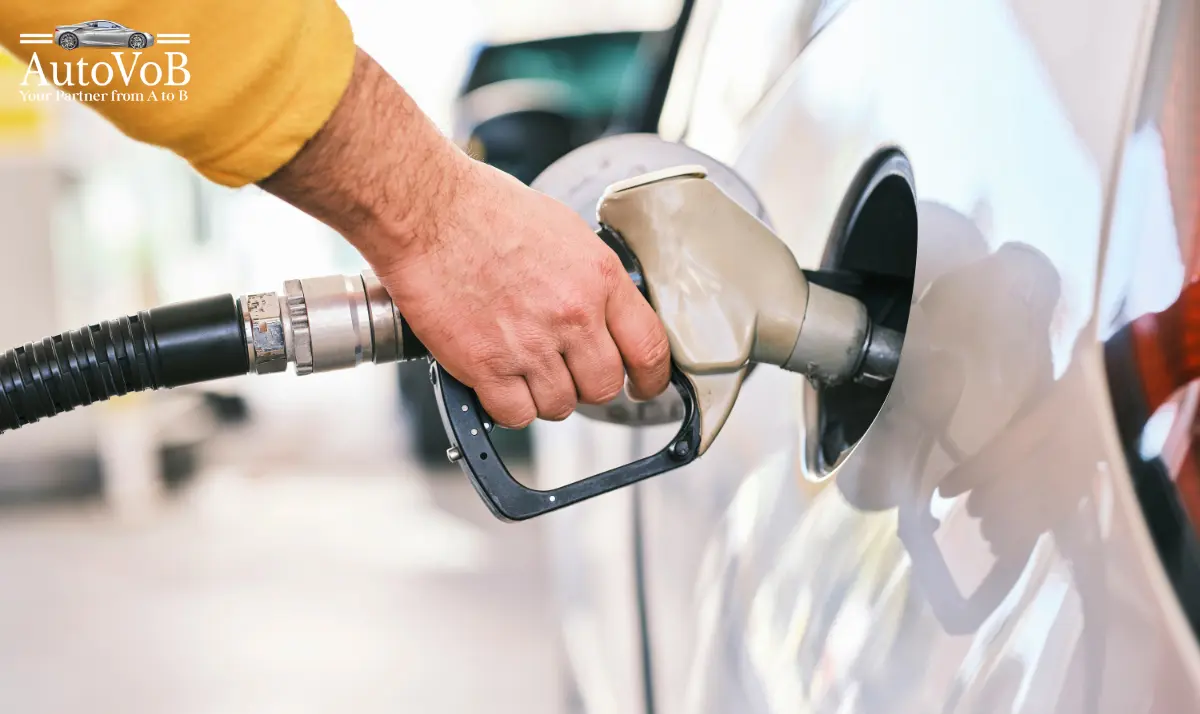
Here’s the thing, it looks like a tiny shortcut. You pull up, keep the engine on, ask the attendant to fill the tank, and leave the car idling to save time. It feels harmless. What this really means is you are trading convenience for a set of small but real risks, and most safety authorities do not recommend doing it.
Let’s break it down, starting with the basic rule. Industry guidance and petrol station protocols consistently say switch the engine off before you start refuelling. That is not just about saving fuel or cutting emissions, it is about removing potential ignition sources and reducing the chance that petrol vapour meets something that could spark. This advice is a common safety requirement at filling stations.
Why is the engine a concern? Modern engines have hot surfaces, electrical systems, alternators, and exhaust components that are warm enough to increase the chance of igniting fuel vapour under unlucky conditions. On top of that, starting or stopping an engine can create tiny electrical arcs, which are the last thing you want near a mix of petrol and air. Standards bodies and fire-safety guidance highlight that refuelling is a controlled operation for a reason, and the safest control is to remove the engine as a possible source of ignition.
Static Electricity, Human Error, and Real-World Risk
Static electricity and re-entry risk, here’s why it matters. When you get in and out of your car while fuel is flowing, clothes can build up static charge. That charge can discharge when you touch the metal nozzle or the car, producing a spark. Those sparks are small, but around petrol vapour they can start a fire. For that reason, attendants and safety handbooks explicitly caution against re-entering your vehicle during refuelling, and they recommend staying outside the car while the nozzle is in the filler.
There is also a practical, regulatory side. Many forecourts have explicit rules that engines must be switched off, and attendants can refuse service if you do not comply. In some countries, idling in public places or failing to follow forecourt signage carries penalties. Beyond fines, stations refuse service to reduce their liability and keep everyone safe. So keeping the engine running can get you stopped at the pump for reasons that are more than moral.
Now the points people often bring up when arguing the other way. Some drivers say the risk is tiny, and that petrol pumps have safety shutoffs, so keeping the engine on is fine. Technically, pumps do have automatic cutoffs and modern vehicles have sealed filler necks that reduce vapour escape, so catastrophic events are rare. Still, risk is not only catastrophic fire. Spills, vapour accumulation in low pockets, and human factors like distraction are more likely when normal safety steps are skipped. The sensible takeaway is that just because a thing is unlikely does not mean it is sensible to invite that chance for convenience.
Modern Cars, Hybrids, and EVs
What about modern cars and EVs? Electric vehicles do not have a burning combustion engine, but EVs bring their own rules. EV charging is always done with the vehicle stationary and systems designed to detect faults, and many charging locations require the car to be off or in park. If you are at a petrol forecourt with a hybrid that can keep the engine running to power accessories, follow the same rule, switch it off. When in doubt, follow station signage and the vehicle manufacturer’s manual.
Practical Refuelling Checklist and Final Takeaway
Let’s get practical. Here is a short checklist that covers the most common, useful precautions when you refuel.
- Turn the engine off and remove the key. This is the single most important action. It reduces ignition sources and prevents accidental movement.
- Stay outside the vehicle, keep mobile phone use to a minimum, and do not smoke, vape, or light flames on the forecourt. Distraction increases the chance of spills.
- Do not re-enter the vehicle while fuelling. If you must go back in, touch a metal surface away from the filler before handling the nozzle to dissipate static charge.
- Do not top off the tank. Overfilling can cause spills, damage vapour recovery systems, and create unnecessary vapour. Let the pump stop automatically.
- Follow signage and attendant instructions. If the station or your vehicle manual says switch off, do it. If you smell petrol after refuelling, move away from the pump and alert staff.
What about emergency scenarios, like if the wrong fuel is poured or a spill happens while the engine is running? If wrong fuel goes into your tank, do not start the engine. If the engine is running and you discover the mistake, stop refuelling if it is safe to do so, turn the car off, and call for professional help. If a spill occurs, step away, alert the attendant, and follow staff instructions. Those first actions reduce the chance of making a bad situation much worse.
Here is the risk-versus-reward summary. The reward for keeping the engine running is measured in seconds and perhaps a cooler car in extreme heat. The risk is ignition, vapour inhalation, static discharge, or regulatory trouble. The sensible choice is obvious when you put it like that. Switch it off, stay present, and let the pump do its job.
Also Read: Virtual Gear Shifting In Cars, What It Is And Why It Matters
Finally, a short myth-busting note. You will not ruin your starter or battery by turning the engine off for 30 to 60 seconds while you refuel. Modern vehicle electrical systems are designed for repeated starts and short stops. The small amount of fuel saved by keeping the engine running is negligible compared with the safety margin you gain by switching it off.
Keep it simple. Turn the engine off. Stay at the pump. Avoid sparks and spills. Do that and refuelling remains one of the mundane tasks that actually goes smoothly when people follow basic rules.