All About Car Chassis: Types and Its Benefits
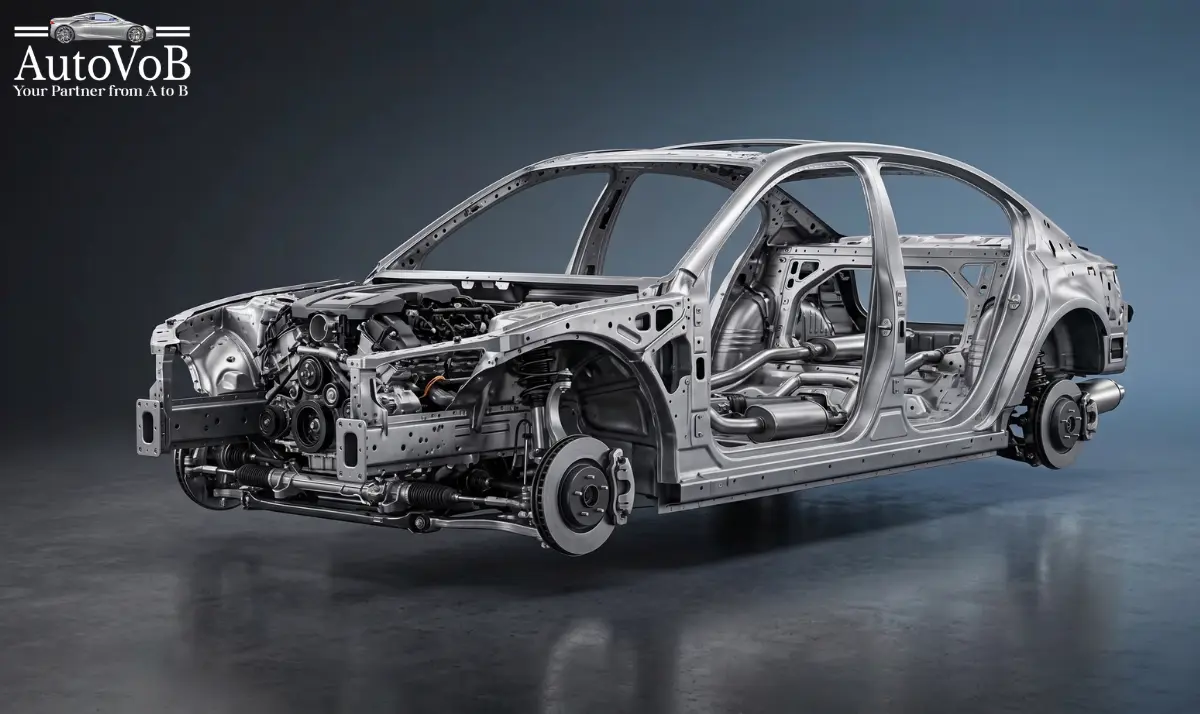
When people talk about a car, they usually focus on the engine, mileage, or features. But the real backbone of any vehicle is the car chassis. It is the structure that holds everything together, from the engine and suspension to the body and passengers.
Understanding how a chassis works, the types available, and why it matters can help you make smarter decisions whether you are buying a new car or evaluating a used one.
What is a Car Chassis?
A car chassis is the main structural framework of a vehicle. It supports the engine, transmission, suspension system, and body. Think of it as the skeleton of the car. Without it, nothing stays aligned or stable.
In modern vehicles, the chassis is designed not just for support, but also for safety, performance, and comfort. It plays a direct role in how a car handles on the road, how it absorbs shocks, and how well it protects passengers in case of an accident.
Types of Car Chassis
Not all cars are built the same. Different chassis designs serve different purposes, depending on the type of vehicle and how it is meant to be used.
1. Ladder Frame Chassis
This is one of the oldest and simplest chassis designs. It consists of two long parallel beams connected by cross members, resembling a ladder.
Where it is used:
SUVs, trucks, and off-road vehicles.
Why it works:
It is strong and durable, making it ideal for rough terrains and heavy loads.
Downside:
Heavier weight and less refined ride quality compared to modern designs.
2. Monocoque Chassis
Also known as a unibody chassis, this is the most common design used in modern passenger cars.
Where it is used:
Hatchbacks, sedans, and most crossovers.
Why it works:
The body and chassis are integrated into a single structure, making the car lighter and more fuel efficient.
Downside:
Not as strong as ladder frames for heavy-duty applications.
3. Backbone Chassis
This design features a central spine that connects the front and rear of the car.
Where it is used:
Some sports cars and niche vehicles.
Why it works:
It offers better torsional rigidity, which improves handling.
Downside:
Limited space and less flexibility in design.
4. Tubular Space Frame Chassis
This is a high-performance design made using a network of tubes arranged in a geometric pattern.
Where it is used:
Race cars and high-end sports cars.
Why it works:
Extremely strong and lightweight, offering excellent performance.
Downside:
Expensive and complex to manufacture.
Key Components of a Car Chassis
To understand the full picture, it helps to know what makes up a chassis.
- Frame: The main structure that supports everything
- Suspension system: Absorbs shocks and ensures a smooth ride
- Axles: Transfer power from the engine to the wheels
- Braking system: Provides stopping power
- Steering system: Controls the direction of the vehicle
All these components work together, and their effectiveness depends heavily on the chassis design.
Benefits of a Strong Car Chassis
A well-designed car chassis does more than just hold parts together. It directly affects how a car performs and how safe it is.
1. Improved Safety
The chassis is the first line of defense in a crash. Modern designs are engineered to absorb and distribute impact forces, reducing the risk to passengers.
2. Better Handling
A rigid chassis improves stability and control. This is especially noticeable when taking sharp turns or driving at higher speeds.
3. Enhanced Comfort
A good chassis works with the suspension system to absorb road imperfections. This results in a smoother and more comfortable ride.
4. Fuel Efficiency
Lightweight chassis designs, like monocoque structures, reduce overall vehicle weight. This leads to better fuel economy.
5. Durability
A strong chassis ensures the vehicle can withstand wear and tear over time, especially in tough driving conditions.
Why the Chassis Number Matters
Every vehicle comes with a unique identifier known as the chassis number, also referred to as the VIN. This number is like a fingerprint for the car.
What is a Car Chassis Number Check?
A car chassis number check allows you to verify the identity of a vehicle. It helps confirm details such as:
- Manufacturing year
- Model specifications
- Registration details
- Ownership history
This is particularly useful when buying a used car.
Car History Check by Chassis Number
One of the smartest things you can do before buying a pre-owned vehicle is a car history check by chassis number.
This process reveals critical information that sellers may not always disclose.
What You Can Find
- Accident history
- Service records
- Odometer readings
- Insurance claims
- Loan or theft status
Why It Matters
A car may look perfect on the outside but have a problematic past. A history check helps you avoid costly mistakes and ensures you are making a safe investment.
Chassis and Vehicle Performance
The chassis is not just about structure. It has a direct impact on performance.
Weight Distribution
A well-balanced chassis ensures even weight distribution, which improves stability and handling.
Rigidity
Higher rigidity means less flex in the structure. This leads to better control and responsiveness.
Aerodynamics
Modern chassis designs also consider airflow, which improves efficiency and speed.
Choosing the Right Chassis Type
The right chassis depends on your needs.
- If you drive mostly in cities, a monocoque chassis offers comfort and efficiency
- If you need a vehicle for rough terrains, a ladder frame is more suitable
- For performance driving, space frame or backbone designs offer better handling
Understanding these differences helps you choose a car that fits your lifestyle.
Common Misconceptions About Car Chassis
All chassis are the same
Not true. Each type is designed for a specific purpose and driving condition.
Stronger always means better
A heavier chassis is not always ideal. Balance between strength and weight is key.
Chassis does not affect comfort
In reality, it plays a major role in ride quality and stability.
Maintenance Tips for a Car Chassis
Even though the chassis is built to last, it still needs attention.
- Regularly check for rust or corrosion
- Avoid overloading the vehicle
- Inspect suspension components
- Get alignment checks done periodically
These simple steps can extend the life of your vehicle.
Conclusion
The car chassis is one of the most important yet overlooked parts of a vehicle. It affects everything from safety and comfort to performance and durability.
Whether you are buying a new car or a used one, understanding chassis types and their benefits gives you a clear advantage. Pair that knowledge with a car chassis number check and a car history check by chassis number, and you reduce the chances of making a bad decision.
A little awareness goes a long way in choosing the right vehicle.
Also Read: Car Engine Parts and Their Functions
FAQs
1. What is a car chassis and why is it important?
A car chassis is the main structural framework that holds together the engine, suspension, wheels, and body. It ensures stability, supports proper weight distribution, and directly impacts how a vehicle handles, absorbs shocks, and protects passengers during collisions, making it a critical part of overall safety and performance.
2. What is a car chassis number check?
A car chassis number check is a method of verifying a vehicle’s identity using its unique identification number. It helps confirm important details such as the manufacturing date, model specifications, and registration history, ensuring that the car matches official records and reducing the risk of fraud when buying a used vehicle.
3. How does a car history check by chassis number help buyers?
A car history check by chassis number provides detailed information about a vehicle’s past, including accident records, ownership changes, service history, and insurance claims. This allows buyers to identify hidden issues, avoid risky purchases, and make more confident and informed decisions before finalizing a deal.
4. Which type of car chassis is best for daily use?
For everyday driving, especially in city conditions, a monocoque chassis is generally the best choice because it is lightweight, fuel efficient, and designed for comfort. It also offers better handling and improved safety features, making it well suited for regular commuting and smooth urban driving experiences.
5. Can a damaged chassis be repaired?
A damaged chassis can sometimes be repaired if the damage is minor, such as small bends or surface rust. However, in cases of severe structural damage, repairs may not fully restore the original strength, which can compromise safety, making it advisable to avoid such vehicles altogether.
For more such informative blogs, keep following AutoVoB blogs