Rise of Chinese Car Brands in the GCC
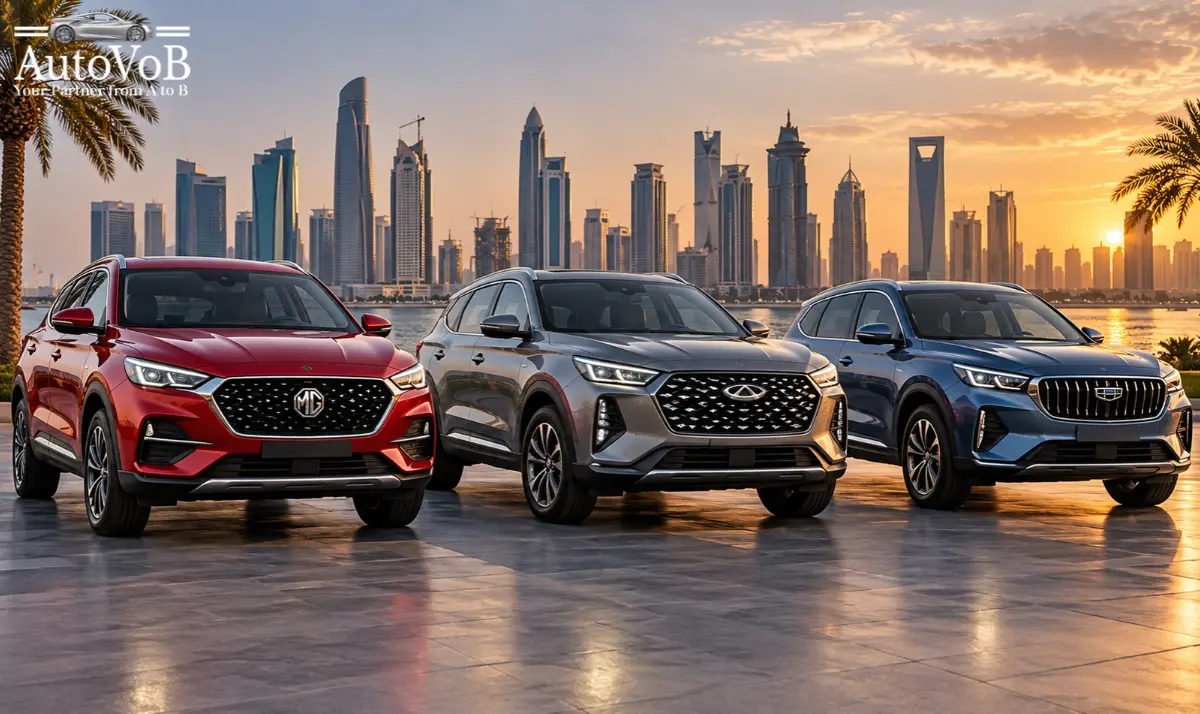
Walk through any dealership in the UAE or Saudi Arabia today and you will notice something that was rare just a decade ago. Chinese car brands are no longer sitting quietly in the corner. They are front and center, competing with Japanese, Korean, and even European names.
This shift did not happen overnight. It is the result of deliberate strategy, changing consumer expectations, and a clear understanding of what the GCC market actually needs.
Let’s break down how Chinese automakers moved from being overlooked to becoming serious contenders.
From Budget Options to Serious Competitors
Chinese cars first entered GCC markets with a reputation problem. They were cheap, but many buyers questioned their quality, durability, and resale value.
That perception has changed.
Brands like Geely, Chery, Haval, and BYD have invested heavily in engineering, design, and global partnerships.
Many of these companies now collaborate with international designers and engineers. Some even own stakes in well-known global brands. The result is simple. The cars feel more refined, more reliable, and more aligned with global standards.
Buyers in the GCC have noticed.
Pricing Strategy That Hits the Sweet Spot
Price is still a major advantage, but it is no longer the only one.
Chinese brands have positioned themselves in a very specific range. Not the cheapest, but clearly more affordable than Japanese or European competitors offering similar features.
For example, a mid-size SUV from a Chinese brand often comes loaded with features like panoramic sunroof, advanced infotainment systems, leather interiors, and driver assistance tech. These are things that typically cost extra in other brands.
In a region where buyers want value without compromising on comfort, this pricing strategy works extremely well.
Feature-Heavy Cars That Appeal to GCC Buyers
GCC consumers have a strong preference for tech, comfort, and premium feel. Chinese automakers understood this early.
Instead of focusing only on engine performance, they focused on the in-car experience.
Large touchscreens, voice controls, digital instrument clusters, ambient lighting, and advanced safety features are now standard in many Chinese vehicles.
Brands like MG Motor and GAC Motor have built their appeal around offering a premium feel at a reasonable price.
This strategy resonates strongly with younger buyers and families alike.
Strong Push in the SUV Segment
SUVs dominate the GCC market. From desert driving to family use, SUVs are often the default choice.
Chinese brands have focused heavily on this segment.
Models from Great Wall Motors and its sub-brand Haval, along with offerings from Chery and Geely, are designed specifically to handle regional conditions.
They offer high ground clearance, spacious interiors, and engines tuned for both city driving and long highway runs.
Some models are even tested in extreme heat conditions, which is critical for GCC markets.
Expansion Through Local Partnerships
Another reason behind the rise is strong local distribution networks.
Chinese automakers did not try to enter the GCC blindly. They partnered with established local dealers who understand the market, customer expectations, and after-sales requirements.
This has helped them improve:
- Service availability
- Spare parts supply
- Customer trust
In markets like the UAE and Saudi Arabia, after-sales service plays a huge role in brand success. Chinese brands have worked hard to close this gap.
Electric Vehicles and the Future Advantage
This is where things get even more interesting.
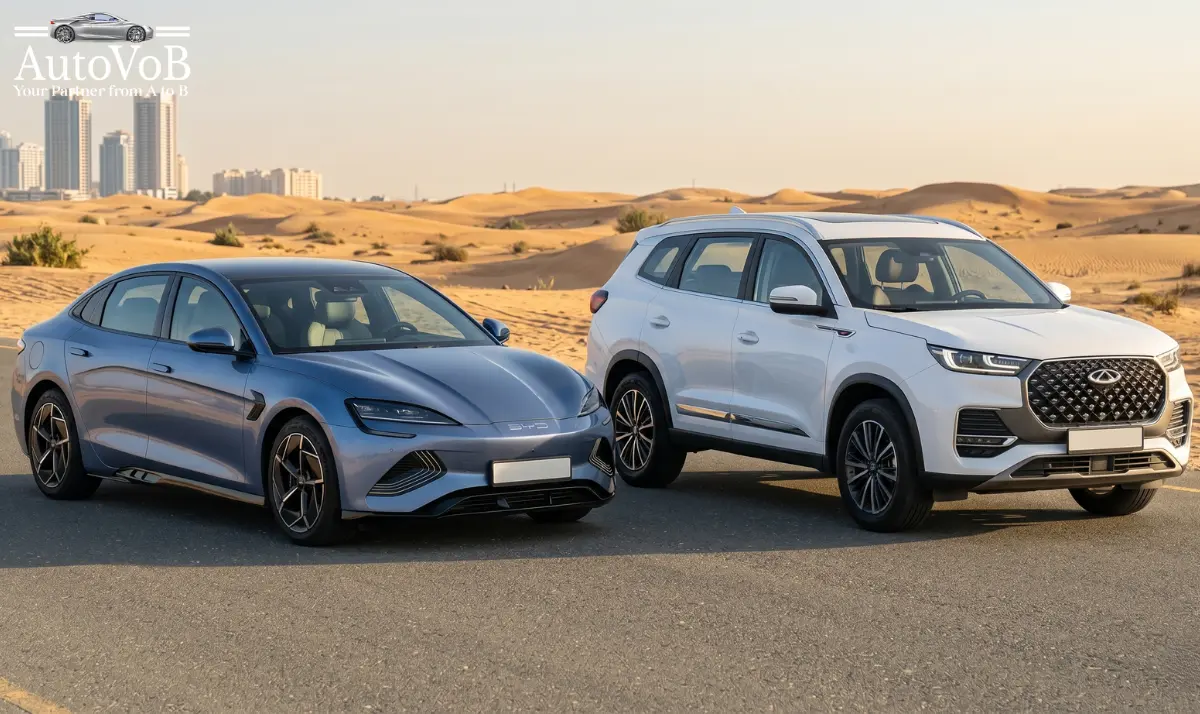
Chinese companies are leading globally in electric vehicle development. Brands like BYD are already major players in the EV space.
As GCC countries push towards sustainability and reduced dependence on oil, EV adoption is expected to grow.
Chinese brands are well-positioned to benefit from this shift because:
- They already have mature EV technology
- They can offer EVs at competitive prices
- They are scaling production rapidly
This gives them a long-term advantage over traditional automakers that are still transitioning.
Changing Consumer Mindset
Perhaps the biggest shift is not in the cars, but in the buyers.
GCC consumers are becoming more open to trying new brands. The focus is shifting from brand legacy to actual value.
A buyer today is more likely to ask:
What features am I getting?
Is the car comfortable?
Does it look good?
Is it worth the price?
Chinese cars answer these questions convincingly.
Word of mouth, online reviews, and social media have also played a big role in building trust.
Challenges That Still Exist
Despite the rapid growth, Chinese brands are not without challenges.
Resale value is still a concern in some markets. Established brands like Toyota and Nissan continue to dominate in this area.
Brand perception, although improving, is still catching up in certain segments, especially among older buyers.
There is also intense competition from Korean brands like Hyundai and Kia, which offer a similar balance of price and features with a longer track record in the region.
Chinese automakers will need to consistently deliver quality over time to fully overcome these barriers.
What This Means for the GCC Auto Market
The rise of Chinese brands is forcing the entire market to evolve.
Traditional automakers are now under pressure to offer better features at competitive prices. This is good for consumers.
Dealerships are expanding their portfolios to include Chinese brands, increasing competition at every level.
The result is a more dynamic and buyer-friendly market.
For anyone looking to buy a car in the GCC today, the number of good options has increased significantly.
The Road Ahead
Chinese car brands are no longer just an alternative. They are becoming a mainstream choice.
With continued investment in technology, design, and customer experience, their presence in the GCC is likely to grow even stronger.
The real question is no longer whether Chinese brands will succeed in the region.
It is how much of the market they will eventually capture.
Also Read: Chinese Cars in UAE: Why They're Suddenly Everywhere
FAQs
1. Why are Chinese car brands becoming popular in the GCC?
Chinese brands offer a strong mix of affordable pricing, modern features, and improved build quality. They focus on what GCC buyers want, comfort, technology, and value, which makes them increasingly attractive.
2. Are Chinese cars reliable in GCC conditions?
Modern Chinese cars are designed and tested for harsh climates, including high temperatures common in the GCC. Reliability has improved significantly, especially with newer models and better engineering standards.
3. Which Chinese car brands are most popular in the GCC?
Brands like Geely, Chery, Haval, MG Motor, and GAC Motor have gained strong traction due to their wide product range and competitive offerings.
4. Do Chinese cars have good resale value in the GCC?
Resale value is improving but still lags behind established brands like Toyota and Nissan. However, as trust grows and more people adopt these cars, resale performance is expected to improve over time.
5. Are Chinese brands leading in electric vehicles in the GCC?
Yes, companies like BYD are already strong players in the EV segment. As the GCC moves towards electric mobility, Chinese brands are likely to play a major role due to their advanced EV technology and competitive pricing.
For more such informative blogs, keep following AutoVoB blogs