Oman Vision 2040: Shaping Next-Gen Automotive Solutions
The thing about Oman Vision 2040 is, it’s much more than a roadmap for economic diversification: it’s a blueprint that’s redrawing what transport looks like in the country. Every component, from new highways to electric vehicle (EV) incentives, is designed to invigorate not just trade and logistics but also how people move across the country. The automotive sector stands front and center in this transformation.
Infrastructure Expansion Accelerates Automotive Growth
Let’s break it down. Oman Vision 2040 has unleashed a massive pipeline of road and highway projects, compressing travel times and making cross-country commuting less of a headache. Shorter commutes ignite new demand for everything from commuter sedans to construction logistics trucks. Large firms such as TruckOman ramp up fleet size, just to keep pace with projects in industrial zones like Sohar and Duqm.
Here’s what this really means for everyday buyers: newly paved corridors push suburban development, and sooner rather than later, more Omanis will need cars for expanding neighbourhoods, especially around Muscat and nearby towns. Multilane highways support freight transport, easing bottlenecks and luring investment into public and private fleets.
Electric Vehicles: From Hype to Reality
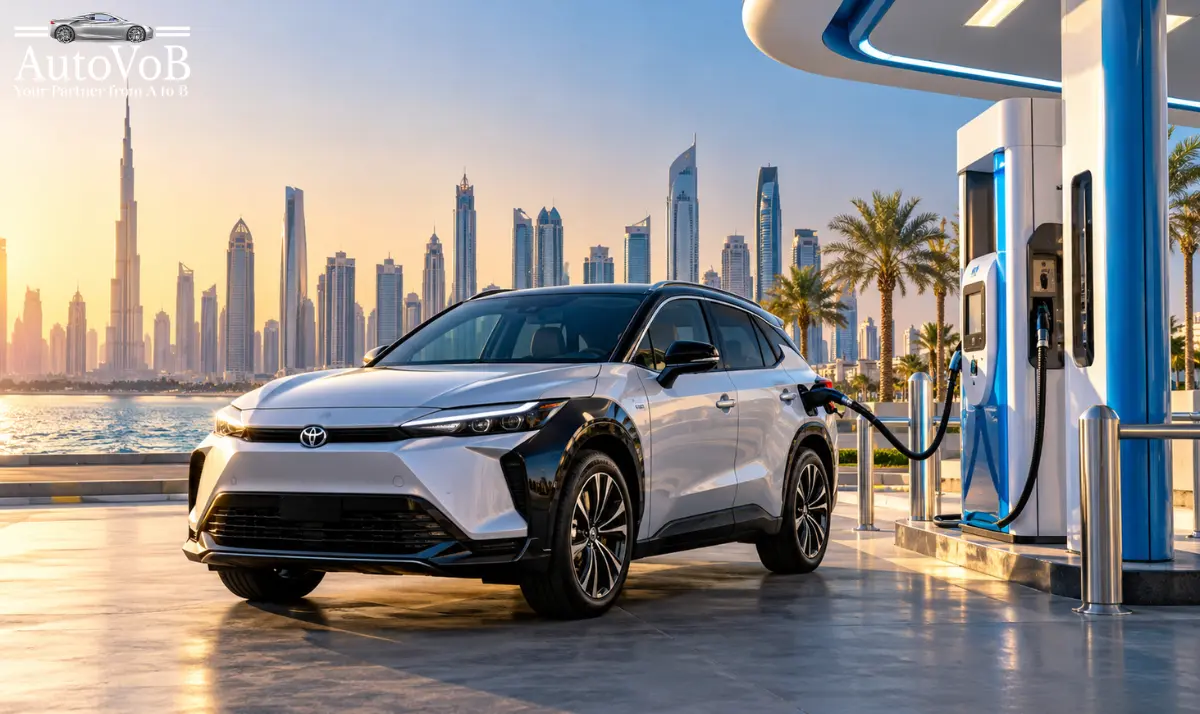
Vision 2040 has put Oman’s goals for sustainability directly in the spotlight. By 2035, the Ministry of Transport wants 79 percent of Oman’s fleet to be electric—a huge leap by any global standard. Right now, EVs are growing at over seven percent annually, outpacing every other genre of powertrain. It’s not just marketing hype: every new fuel station is required to install a fast DC charger, and major oil companies are converting fleets to electric for heavy-duty and passenger transport.
Consumers aren’t left behind, either. Warranty extensions and tech tweaks that optimize battery life for desert temperatures are assuaging old fears about EVs being impractical in extreme heat. Taxi and ride-sharing fleets, like Taxi Muscat and Yango, are replacing aging sedans with efficient electric and hybrid models to ride the wave of app-based transport growth.
The Rise of Two-Wheelers and Public Vehicles
Oman Vision 2040 doesn’t just benefit drivers of flashy new cars. There’s been a fierce uptick in demand for bikes and scooters—especially in areas like Muttrah and Ruwi, where parking is tight and motorcycles cut commute times in half. Ride-sharing platforms are buying up 150cc bikes for last-mile delivery, and even three-wheelers are snagging niche municipal contracts.
Personal use still dominates auto purchases, with over 78 percent of market activity tied directly to individual buyers—a nod to Oman’s ingrained ownership culture. But the public sector is catching up fast, posting the highest year-on-year CAGRs as new rules force taxis onto digital platforms and require fleet upgrades to meet sustainability targets. New ride-hailing entrants are shaking things up by adding hundreds of vehicles in a matter of months.
Smart Mobility and Digital Innovation
Here’s another angle: digital innovation. Vision 2040 is pushing automotive retail and finance online, with dealers embedding real-time credit approval in showrooms and digital platforms converting web traffic into footfall. Extended tenors up to 72 months mean more people can now afford vehicles even as models become smarter and pricier.
Logistics companies and industrial city tenants are integrating light vans and larger fleets to support the seamless movement of goods and staff—a process supercharged by Vision 2040’s incentives and its push toward a fully connected transport system using smart technologies for everything from navigation to inventory tracking.
Green Technology and Sustainability Goals
What Vision 2040 really demands is a pivot toward sustainability. Infrastructure upgrades are laced with environmentally friendly initiatives—like investing in renewable energy for transport, creating green supply chains, and encouraging the adoption of eco-friendly vehicles for both government and private use. Targets are clear: by 2040, 33 percent of government vehicles and 12.5 percent of private vehicles should be electric or hybrid, and the market is responding with fresh investments in charging networks and battery recycling centers.
Automotive Market Outlook: By the Numbers
Here’s the story told by hard data. Oman’s auto market reached $3.12 billion in 2024 and projects $4.84 billion by 2030. Passenger cars capture more than 63 percent of the market, reinforcing the sector’s resilience against economic shocks and oil price swings, while two-wheelers are not far behind in growth, especially with urban congestion mushrooming in cities. Used vehicle segments are rebounding, helped by consumer credit reforms and the government’s efforts to liberalize import and customs processes.
The light vehicle segment rebounded 14.7 percent last year, reflecting the impact of Vision 2040 reforms in employment, investment incentives, and renewable energy initiatives. Brands like Toyota, Hyundai, and MG dominate, but new entrants and electric vehicle makers are carving out substantial market shares with future-ready offerings.
Also Read: Oman Automobile Association: The Heart of Oman’s Motoring World
Conclusion: Oman Vision 2040 and The Way Forward
Oman Vision 2040 isn’t simply changing the country’s skyline—it’s rewriting how people get around, how goods reach market, and how businesses build their fleets. Whether it’s the push for cleaner, smarter vehicles or the promise of seamless infrastructure, the automotive sector is riding a wave of transformation. Expect more choice, higher efficiency, and a market where technology and sustainability set the tone for the next chapter in Oman’s journey.