How to Sell Your Car Fast in Saudi Arabia: Complete Guide
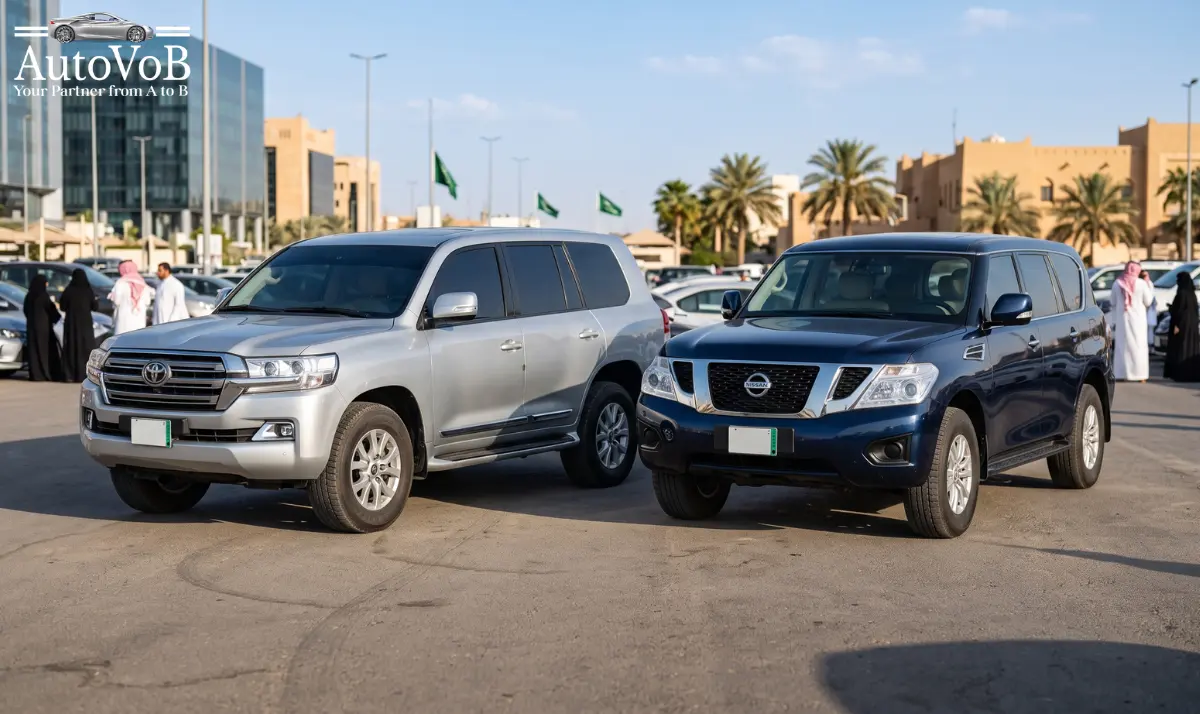
The difference between a car that sells in five days and one that sits unsold for three months comes down to decisions made before the listing ever goes live. If you want to sell a car in Saudi Arabia quickly, the real work happens upfront: honest pricing, complete paperwork, and photos that don't look like they were shot in a basement parking lot at midnight. The Kingdom's used car market was worth roughly SAR 36 billion by the end of 2024 and keeps growing, so the buyers exist in serious numbers. Your job is to stop giving them reasons to scroll past your listing.
Price It Right or Watch It Sit
Most cars that fail to sell aren't bad cars. They're overpriced by SAR 5,000 to 10,000 because the owner anchored on what they paid three years ago instead of what the market pays this week.
Spend an hour studying live listings for your exact model, year, and trim in your own city. A 2021 Camry in Riyadh and the same car in Abha won't fetch the same money. Find the three cheapest comparable cars and price within reach of them. Lower mileage and a full agency service history earn you a premium. Without those, you haven't earned one, no matter how much you love the car.
After years of watching this market, my rule is simple: list at 3 to 5 percent above your walk-away number and not a riyal more. That leaves room for the haggling every buyer here expects while keeping serious people on the phone. A correctly priced car generates calls within 48 hours. Silence is the market giving you feedback.
Get the Paperwork Sorted Before You List
Nothing kills momentum like a buyer ready to pay and a seller who can't legally transfer. Absher blocks the sale unless the car has a valid registration card (istimara), a current periodic inspection certificate, active insurance, and no unpaid traffic violations against either the vehicle or the buyer.
Anyone planning to sell a used car in KSA hits the same checkpoints, so clear them early. Start with the Fahes inspection if yours has lapsed. It costs about SAR 115 including VAT, takes 15 to 30 minutes at an MVPI station, and the pass stays valid for 12 months. New private cars are exempt for three years from first registration, after which the test becomes annual. A fresh certificate also works as a sales tool. It tells the buyer that brakes, suspension, lights, and emissions cleared an official check last week, not last year.
Insurance matters too. The transfer requires an active policy, and the buyer will need cover in their own name to finish registration, so flag this early and avoid a last-minute scramble.
Then open Absher and pay off every fine. Buyers check. A car carrying SAR 2,000 in violations reads as a car owned by someone careless, and careless owners skip oil changes too. That's the story your buyer will tell themselves at the negotiating table.
Preparation That Moves the Price, Not Just the Needle
A proper detail costs SAR 150 to 400 and routinely returns several times that at sale. Fix the cheap stuff too: blown bulbs, worn wipers, scuffed trim. Skip the expensive repairs. You will almost never recover a SAR 4,000 respray on a ten-year-old sedan, so disclose the flaw and price for it instead.
Photos decide whether anyone calls. Shoot in daylight, outdoors, with 15 to 20 frames covering all four corners, the interior, the odometer, the engine bay, and yes, the scratches. Hiding damage doesn't sell cars. It sells inspection appointments that end with an angry buyer and a dead deal.
One move I recommend to every private seller: pull a Mojaz report on your own car before listing. It's the official vehicle history service, covering accidents, previous owners, and maintenance records drawn from government-linked sources. Handing a clean report to a buyer before they ask removes their biggest fear in one gesture. If the report shows an old accident, disclose it anyway. They'll find it either way.
Where to List When You Sell a Car in Saudi Arabia
You have three realistic routes, and each one trades money for speed.
Online classifieds give you the widest audience, and most people who sell a car in Saudi Arabia privately get their strongest price this way. The cost is time: one to three weeks of fielding calls, no-shows, and offers that insult the car. Write the listing like you'd want to read it, with year, trim, mileage, service history, and flaws all stated plainly.
Selling to a used car showroom or trading in at a dealership is fast, often same-day, but expect 10 to 15 percent below private-sale value. That gap is the fee for convenience, and sometimes it's worth paying. If you're an expat on final exit with two weeks left on your iqama, take the showroom money and sleep well.
Instant-buy and consignment services sit between the two: an online valuation, a physical inspection, then an offer or a managed sale. They work well for clean, mainstream cars and less well for anything unusual.
Handle Buyers Without Losing Your Week
Screen on the phone before you agree to meet. Serious buyers ask about service history, accidents, and ownership. Time-wasters open with an offer 30 percent under asking for a car they've never seen. Let them go.
A buyer who wants you to hold the car for a week with no commitment isn't a buyer, he's keeping his options open. Say politely that the first person to complete the Absher transfer gets the car, and mean it.
Meet in daylight, in public, and never hand over the keys while you wait at the curb. For test drives, hold the buyer's ID, ride along, and keep the route short. On price, decide your floor before the meeting and stop engaging with numbers below it. The strongest negotiating tool in this market isn't a speech. It's a folder with a fresh Fahes pass and a clean history report inside.
Close on Absher and Nowhere Else
A handshake and a bag of cash is how sellers stay legally responsible for a car they no longer drive. Until the transfer completes, the vehicle, its fines, and its accidents remain yours in the eyes of the law. I've watched sellers chase buyers for months over exactly this.
The Absher vehicle sale service closes that gap. You log in, open vehicle services, select the car, enter the buyer's ID details and the agreed price, and submit. The buyer accepts from their own account and pays through Absher's secure system, which parks the money in an intermediate account rather than sending it straight to you. The buyer gets 72 hours to complete payment. Once you confirm delivery of the car, the registration moves to their name and the money moves to your account. No bounced transfers. No counterfeit notes. No stories.
The costs are minor next to what they protect: SAR 150 in government fees paid through SADAD, plus a SAR 230 Absher platform fee including VAT that the buyer covers. Absher also enforces the fine print, including a sale price between SAR 500 and one million riyals and a limit of two private vehicles for residents, so confirm your buyer actually qualifies before you burn a morning on the process.
Selling fast in the Kingdom isn't a trick, and it isn't luck. It's pricing against today's market instead of your memory, showing up with the paperwork already finished, and refusing to close anywhere except Absher. Get those three things right and your biggest problem will be deleting messages from lowballers, not waiting for a real buyer. This market is large, liquid, and more digital every year. Meet it halfway and it moves fast.
Also Read: Ultimate Guide to Buying Used Cars in Riyadh
FAQs
1. How to sell car in Saudi Arabia?
Price your car against current local listings, renew the Fahes inspection if expired, clear all traffic fines, then list with sharp daylight photos. When a buyer agrees, complete the ownership transfer through Absher, where payment runs through a secure intermediate account.
2. What documents do I need to sell a used car in KSA?
You need a valid istimara, your national ID or iqama, a current periodic inspection certificate, and active insurance on the vehicle. The car must carry no unpaid traffic violations, and both parties need working Absher accounts to complete the transfer online.
3. How much does it cost to transfer car ownership in Saudi Arabia?
For a private vehicle, the government transfer fee is SAR 150 paid through SADAD, and Absher charges the buyer a SAR 230 platform fee including VAT. Budget roughly SAR 115 more for a Fahes inspection if yours has expired, plus the cost of clearing any outstanding fines.
4. Do I need a Fahes inspection before selling my car?
Yes. A valid periodic inspection certificate is a condition for transferring ownership on Absher. New private cars are exempt for three years from first registration, then need an annual test. It costs about SAR 115 including VAT and the pass stays valid for 12 months.
5. Can expats sell their car in Saudi Arabia?
Yes. Residents with a valid iqama sell through the same Absher process as citizens. The buyer must also qualify, with no unpaid violations on their record. Keep in mind that residents may own a maximum of two private vehicles, so confirm your buyer has space before proceeding.
Follow AutoVoB blogs regularly for more expert automotive insights.
From cars to trucks, buy and sell any vehicle worldwide on AutoVoB.