Car Ambient Lighting: How It Changes Your Driving Feel
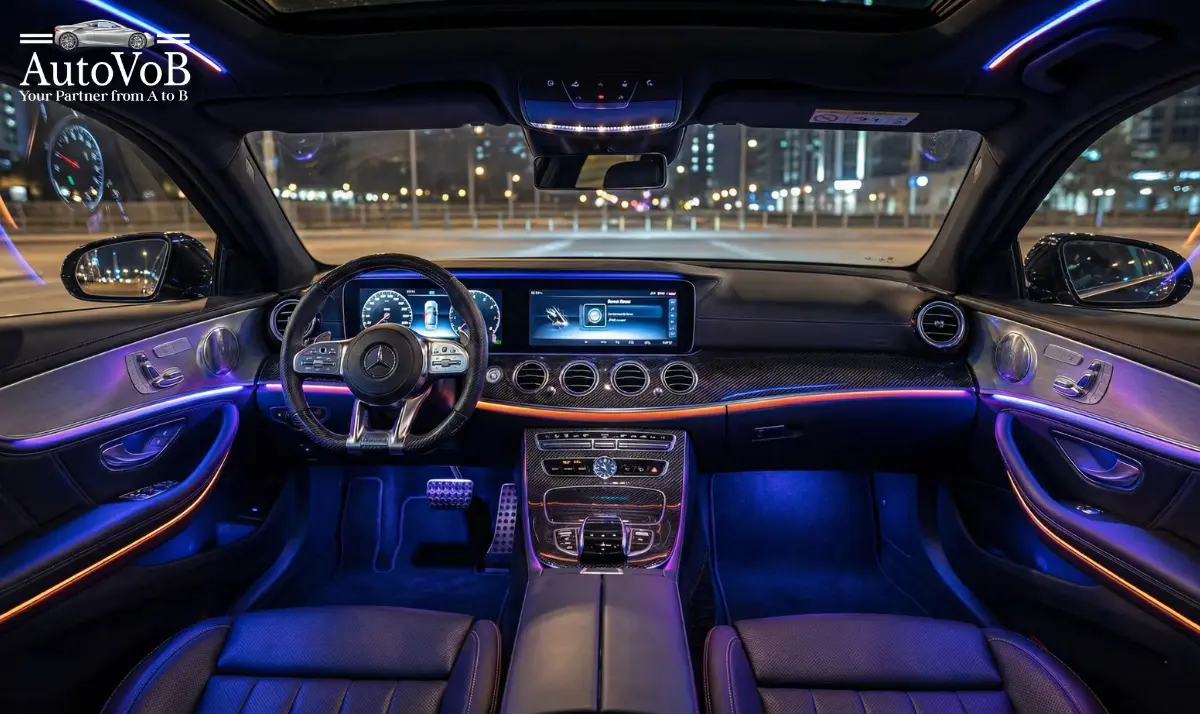
Car Ambient Lighting is one of those features that sounds cosmetic until you actually live with it. Then you realize it quietly changes how your car feels, how relaxed you are behind the wheel, and even how premium the interior seems. This is not about flashy LEDs or gimmicks. It is about atmosphere, visibility, and subtle psychological cues that influence driving comfort more than most people expect.
Let’s break it down properly, without hype or vague claims.
What Is Car Ambient Lighting Really?
Car Ambient Lighting refers to low intensity interior lighting designed to illuminate specific areas inside the cabin without causing distraction. Unlike dome lights or reading lamps, ambient lighting is indirect. It flows along door panels, dashboards, footwells, center consoles, and sometimes even speaker surrounds.
The goal is not brightness. The goal is mood, orientation, and comfort.
Most modern systems use LED light strips or fiber optics. They consume very little power, generate minimal heat, and last for years. Color, intensity, and placement are carefully chosen so the light stays in your peripheral vision instead of hitting your eyes directly.
What this really means is you remain aware of your surroundings inside the car without breaking focus on the road.
Why Car Ambient Lighting Exists in the First Place
Car Ambient Lighting did not start as a luxury gimmick. It came from research into human vision and fatigue.
Driving at night creates extreme contrast. Outside is dark, headlights are bright, and the interior can feel like a black hole. Your eyes constantly adjust between light and dark zones. This causes strain over time.
Soft interior lighting reduces that contrast. Your eyes adapt more smoothly. Fatigue builds more slowly.
Here’s the thing. This effect is subtle. You do not notice it immediately. But over long drives, especially at night, the difference becomes obvious.
How Car Ambient Lighting Affects Mood and Focus
Light affects the brain. That is not marketing talk. It is basic neuroscience.
Warm colors like amber and soft red tend to feel calming. Cool colors like blue and white feel more alert and technical. This is why instrument clusters are carefully color tuned.
Car Ambient Lighting taps into this.
A calm lighting tone can reduce stress during traffic. A cooler tone can make the cabin feel more focused during highway driving. Some systems even adjust brightness automatically based on speed or drive mode.
What this really means is the cabin responds to how you drive, not just where you drive.
Single Color vs Multi Color Ambient Lighting
Not all ambient lighting systems are equal.
Single color systems usually stick to white, amber, or blue. These are simple, reliable, and less distracting. Many manufacturers choose amber because it interferes the least with night vision.
Multi color systems allow you to choose from dozens of colors. Some even offer zone based control where doors, dash, and footwells can have different tones.
This sounds flashy, but there is a practical angle. Different drivers prefer different visual environments. Some people find blue relaxing. Others hate it. Customization solves that.
The key is restraint. Well designed systems limit brightness and saturation so colors stay tasteful, not nightclub level.
Placement Matters More Than Color
One common misconception is that more lighting equals better lighting. That is wrong.
Good Car Ambient Lighting is hidden. You see the glow, not the source.
Common placement areas include:
- Under the dashboard
- Along door trims
- Around cup holders
- In footwells
- Along center console edges
Bad placement causes glare, reflections on windows, or light bleeding into mirrors. Good placement feels natural, almost architectural.
If you notice the lights constantly, the system is probably overdone.
Ambient Lighting and Safety
Car Ambient Lighting is not just about looks. It plays a role in safety, when done correctly.
Soft illumination helps you locate controls without turning on harsh lights. Window switches, door handles, cup holders, and storage spaces become visible at a glance.
Some systems link ambient lighting to safety alerts. For example, the lighting may pulse red when a door opens into traffic or change color during emergency braking warnings.
What this really means is lighting becomes part of the communication system of the car, not just decoration.
Factory Installed vs Aftermarket Ambient Lighting
This is where people need to be careful.
Factory installed Car Ambient Lighting is integrated into the vehicle’s electronics. Brightness adjusts automatically. Colors are tested for eye comfort. Wiring is hidden and protected.
Aftermarket systems vary wildly in quality. High end kits can look excellent if installed properly. Cheap kits often cause problems like uneven lighting, electrical noise, battery drain, or dashboard rattles.
Here’s the thing. Poorly installed lighting can become a distraction or even a safety hazard. Bright LEDs reflecting off windows at night are not fun.
If you go aftermarket, choose a system designed for automotive use and get it installed by someone who understands interior trim and wiring, not just LEDs.
How Ambient Lighting Has Evolved in Modern Cars
Ten years ago, Car Ambient Lighting meant a soft glow in the footwell. That was it.
Today, it is deeply integrated into vehicle design. Lighting themes match interior materials. Colors shift based on drive modes. Intensity adapts to time of day.
Some systems sync with infotainment animations. Others respond to music rhythm, though opinions are divided on whether that is tasteful or distracting.
The important shift is intent. Lighting is now part of the interior architecture, planned from the first design sketch, not added later.
Is Car Ambient Lighting Worth Paying For?
This depends on how you use your car.
If you mostly drive short distances during the day, you may barely notice it. If you drive at night, spend time in traffic, or take long highway trips, the difference becomes clear.
Car Ambient Lighting does not improve acceleration or fuel efficiency. It improves how you feel inside the car. That matters more than many people admit.
Comfort affects patience. Patience affects driving behavior. That chain reaction is real.
Common Myths About Car Ambient Lighting
It is distracting.
Only badly designed systems are distracting. Proper ambient lighting sits in the background.
It drains the battery.
Modern LED systems consume negligible power compared to infotainment screens.
It is only for luxury cars.
This used to be true. It no longer is. Many mid range cars now offer it.
Brighter is better.
Absolutely not. Subtlety is the whole point.
Choosing the Right Ambient Lighting Setup
If you are selecting a car or planning an upgrade, focus on these points:
- Soft brightness with manual adjustment
- Warm or neutral color options
- Hidden light sources
- Integration with vehicle systems
- No visible wiring or hotspots
If possible, experience it at night before deciding. Showroom lighting hides flaws.
Also Read: Understanding Car Ergonomics. Comfort, Control, Smart Design
The Bigger Picture
Car Ambient Lighting is a small detail with outsized impact. It changes how premium a cabin feels, how relaxed you are during long drives, and how intuitive the interior becomes at night.
It is not about showing off. It is about shaping the environment you sit in every day.
When done right, you stop noticing the lights themselves. You just feel more comfortable driving. And that is the real measure of good design.