Bahrain’s Electric Vehicle market in 2026
Electric Vehicle adoption in Bahrain is finally moving from early curiosity to real momentum in 2026, driven by a mix of infrastructure investment, policy shifts, and the arrival of serious new models like ZEEKR, BYD, and Tesla.
Let’s start with the big picture. Analysts tracking the Electric Vehicle segment in Bahrain describe a strong growth curve from the mid‑2020s onward, with the market expanding at well over 30 percent annually as we move into the 2025–2031 window. This isn’t happening in isolation; it sits inside a broader vehicle electrification trend, where hybrids, plug‑in hybrids, and full battery Electric Vehicles are all gaining share as the government pushes to cut emissions and align with its climate goals.
What this really means is that Electric Vehicle buyers in 2026 are no longer early experimenters. They are stepping into a maturing ecosystem where charging is getting easier, model choice is expanding, and policymakers are visibly signaling that the future of private transport in the kingdom will be more electric, less dependent on imported fossil fuels, and more integrated with clean energy plans.
Government policies and subsidies
Here’s the thing: Bahrain has not copied the aggressive cash‑on‑the‑hood subsidy model of some larger markets, but there is a clear policy tilt in favor of Electric Vehicle adoption. Government strategies around vehicle electrification talk about cutting greenhouse gas emissions, reducing air pollution, and lowering fuel dependence, with a toolkit that includes tax breaks, incentives, and supportive regulations for Electric Vehicle buyers and operators.
Public reports on the market highlight several levers already in play or under discussion: reduced fees or exemptions for low‑emission vehicles, preferential treatment in certain parking and registration categories, and facilitation of private investment in Electric Vehicle fleets and infrastructure. Alongside that, Bahrain is weaving Electric Vehicles into its wider sustainability agenda, linking transport electrification with Vision 2030, clean energy projects, and its carbon‑neutrality pledge for 2060.
On the consumer side, practical incentives are starting to show up in day‑to‑day ownership economics. Guides aimed at residents moving to or living in Bahrain point out that while direct purchase subsidies remain limited, drivers can benefit from streamlined procedures, supportive insurance products tailored to Electric Vehicles, and easier access to public programs backing greener mobility. Combine that with lower running costs versus conventional cars and the financial case for an Electric Vehicle gets stronger each year.
Charging stations and infrastructure build‑out
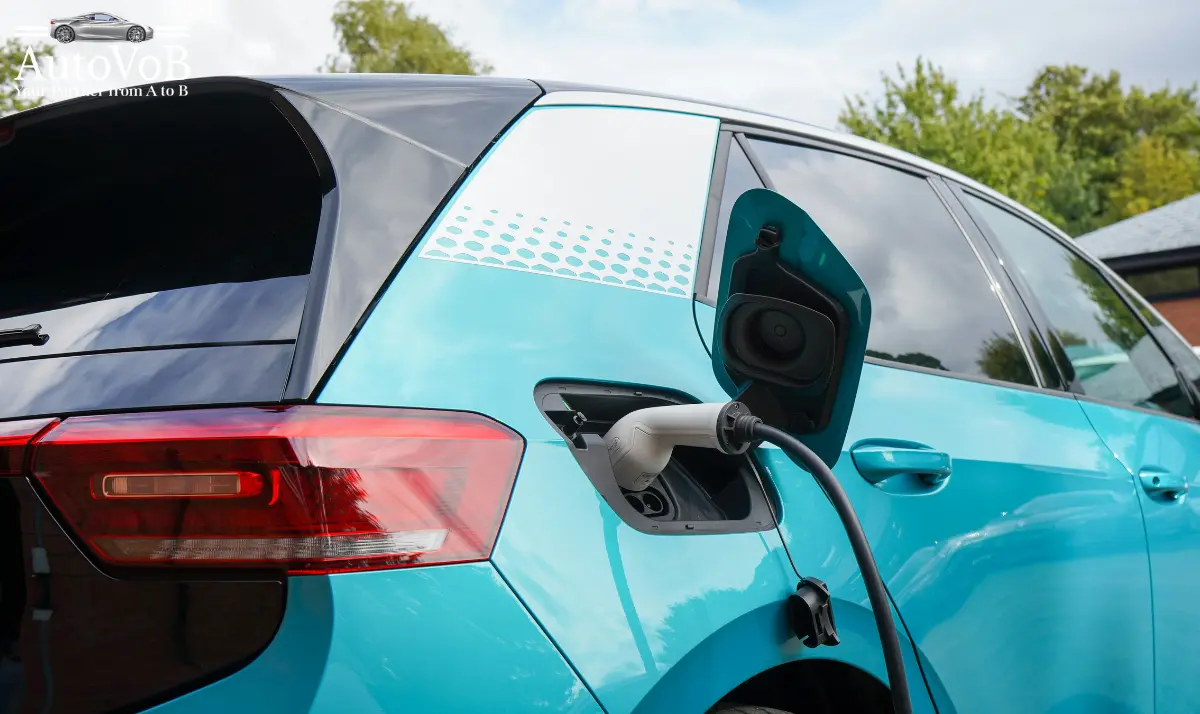
If you want people to buy an Electric Vehicle, you need to make charging boringly easy. That’s exactly where Bahrain has been putting serious effort over the past few years.
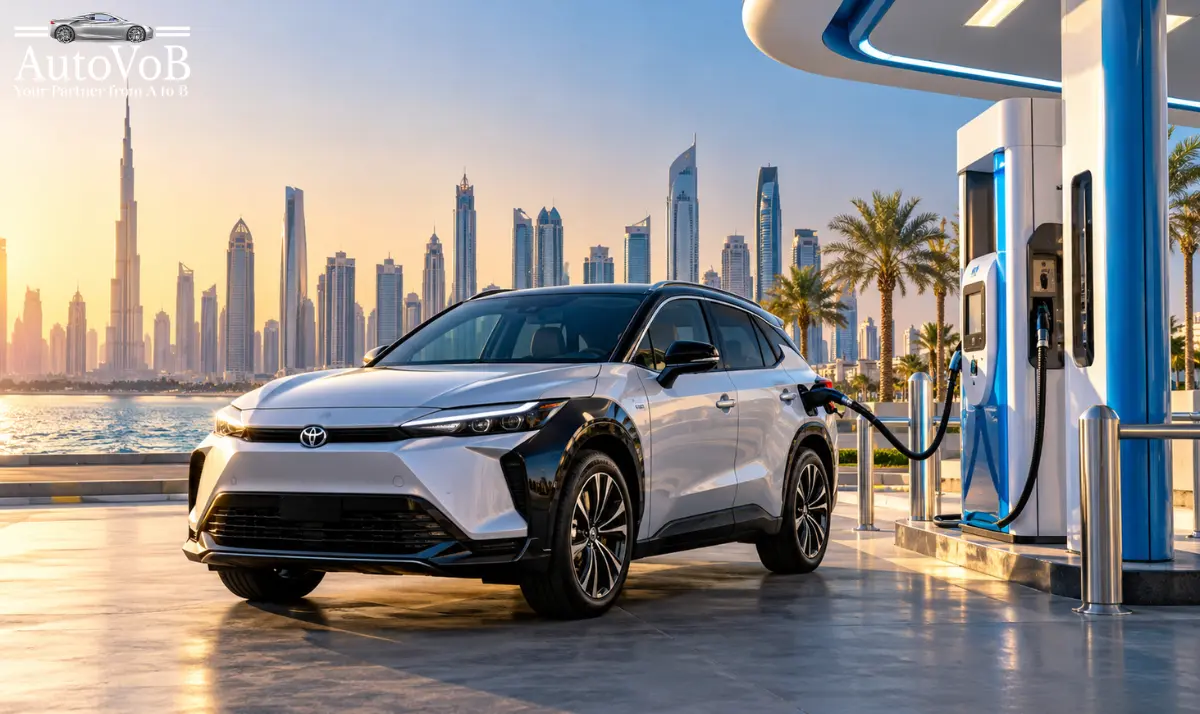
The Electricity and Water Authority (EWA) kicked off a key phase in 2023 by signing an agreement to install five high‑speed Electric Vehicle charging stations with a combined capacity of 360 kW, followed by another wave of fast‑charging locations across the kingdom. Around the same time, a partnership between Kanoo Power Solutions and ABB was announced, aimed squarely at accelerating the rollout of modern charging hardware and making Electric Vehicle ownership more practical for daily drivers.
By early 2026, this has evolved into a more structured network strategy. Official information portals describe a growing ecosystem of public chargers integrated into Bahrain’s already strong road network, positioning the country as a regional leader in accessible Electric Vehicle charging relative to its size. There is also a digital layer: national platforms like goEV.bh and other mapping tools help drivers locate available chargers, plan routes, and avoid range anxiety by showing where fast chargers are clustered.
Market research into Electric Vehicle charger operations in Bahrain points to a clear medium‑term target: public and private investments, backed by around 60 million dollars under Vision 2030, to deploy more than 300 charging stations across the country. For a compact market like Bahrain, that kind of density translates into convenient access in major residential areas, business districts, malls, and key intercity links.
Top Electric Vehicle models: ZEEKR, Tesla, BYD and more
Now let’s break it down on the product side. For buyers in 2026, the Electric Vehicle showroom experience in Bahrain is no longer just about one or two niche models. You’re looking at a lineup that increasingly resembles what you see in the UAE or Saudi Arabia, just at a smaller scale.
Premium Chinese brand ZEEKR has made a direct push into the Middle East, positioning itself as a luxury, high‑performance Electric Vehicle option and setting up dedicated channels for Bahrain through its regional ecosystem. Its Gulf‑focused models lean heavily on range, fast‑charging capability, and tech‑rich cabins, which suits local expectations in the upper end of the market. With Bahrain plugged into ZEEKR’s Middle East network, buyers get access to the same platform, software, and servicing that early adopters in neighboring countries enjoy.
On the mass‑market and value side, brands like BYD and Tesla are setting the tone. Regional guides tracking Electric Vehicle adoption in Bahrain list the Tesla Model 3 as a top seller, with more than a thousand units registered and a rapidly growing base of owners by 2025. At the same time, aggressive regional pricing and incentives have helped models such as the BYD Atto 3 land at more accessible price points, turning them into serious contenders for buyers used to Japanese crossovers and compact SUVs.
What this really means is that a Bahraini shopper considering an Electric Vehicle in 2026 can choose from:
- Premium performance‑oriented models like ZEEKR’s offerings, positioned near the luxury end of the spectrum.
- Well‑known global Electric Vehicle nameplates such as Tesla Model 3 and similar midsize sedans from other brands.
- Value‑driven Chinese and regional Electric Vehicle SUVs that compete directly with mainstream petrol crossovers on price while undercutting them on running costs.
As more manufacturers respond to government signals and infrastructure improvements, analysts expect this mix to expand across segments: small city cars, fleet‑friendly vans, and more high‑end SUVs catering to Gulf tastes.
Key trends shaping 2026 and beyond
Several underlying trends are steering how Bahrain’s Electric Vehicle scene will look over the next few years.
First, sustainability is no longer just a slogan in policy documents; it’s embedded in concrete market moves like charging station deployment, incentives for cleaner fleets, and stricter expectations around emissions. As government departments, logistics players, and corporate fleets start switching part of their lineup to Electric Vehicles and hybrids, the used Electric Vehicle pipeline will eventually thicken, creating more affordable entry points for everyday buyers.
Second, infrastructure spending and planning are clearly front‑loaded. With a Vision 2030‑aligned target of hundreds of chargers and dedicated public‑private partnerships, Bahrain is laying the groundwork now so that Electric Vehicle growth over the late 2020s doesn’t stall because of charging bottlenecks. Digital tools to locate chargers, monitor availability, and manage payments will keep making Electric Vehicle ownership feel more normal, not experimental.
Third, regional dynamics matter. As the UAE and Saudi Arabia race ahead with high‑profile Electric Vehicle launches and giga‑scale investments, Bahrain benefits from spillover in terms of brand availability, supply chains, and shared charging technologies. A launch like the ZEEKR 7X in the UAE, which sold out multiple batches at introduction, signals the level of demand and acceptance that premium Electric Vehicle brands can expect around the Gulf, Bahrain included.
Also Read: Chinese Cars in Bahrain: Value, Features, and Brands
Should you buy an Electric Vehicle in Bahrain in 2026?
If you are weighing the decision, here’s the practical lens. Total ownership cost is tilting in favor of Electric Vehicles as electricity remains competitively priced, maintenance needs are lower than combustion cars, and governments gradually tighten the screws on high‑emission vehicles. The growing network of fast chargers and destination chargers across the kingdom means daily use, even on intercity routes, is becoming a lot less stressful than just a few years ago.
The key is to match your use case with the right Electric Vehicle. City‑heavy driving with predictable routes fits almost any modern Electric Vehicle now available in Bahrain. Frequent long‑distance trips might push you toward models with larger batteries and faster DC charging, like some ZEEKR, Tesla, or high‑spec Chinese SUVs positioned for Gulf highways. Either way, the direction of travel is clear: the ecosystem is maturing fast, regulations are leaning in favor of cleaner transport, and Electric Vehicles are set to take a steadily larger share of Bahrain’s roads through the rest of this decade.